Learning from Lived Experience: A Counsellor’s Path Beyond Textbooks

As a clinical counsellor, my formal training has provided a strong foundation in theory, ethics, and evidence-based practice. These tools are essential; they shape how I conceptualize problems, understand human behaviour, and ensure that I work within a safe and effective framework. Yet, I’ve come to realize that no textbook, lecture, or journal article can replace the profound learning that comes from listening to lived experiences.
Each client brings with them a unique story, woven from culture, family, trauma, resilience, and identity. While theory might offer a map, my clients offer the terrain. It’s through their stories that I learn what healing truly looks like, how people make sense of pain, and how growth unfolds in real time. By approaching each session as a learner rather than an expert, I experience humility, curiosity, and authentic connection. This mindset reminds me that the client is always the expert of their own experience.
Why Lived Experience Is Essential in Canadian Counselling Contexts
In Canadian counselling contexts, where we work within diverse communities, this openness is particularly important. Theory may offer general frameworks, but lived experiences reveal how those frameworks intersect with issues like colonialism, systemic inequity, or cultural identity. For example, a theoretical understanding of anxiety is helpful, but hearing how anxiety manifests for someone navigating racism offers a deeper, more contextualized understanding.
Outside of direct client work, I also learn from lived experience through podcasts and memoirs. Listening to individuals share their stories in their own voices, often raw, unfiltered, and vulnerable, broadens my empathy and challenges my assumptions. Memoirs, in particular, provide a slow, intimate form of learning. They allow me to step into someone’s world, to witness their pain, joy, and transformation over time. These narratives remind me that healing is rarely linear and that every person’s path is worthy of respect.
These forms of learning also help bridge the gap between theory and practice. When I read or listen to personal accounts, I begin to see how abstract psychological concepts, like attachment styles, resilience, or grief, play out in the real, messy details of human life. This integration of theory and story enriches my counselling practice, helping me to meet clients not as case studies, but as whole, complex individuals.
Ultimately, learning from lived experience keeps my work human. It reminds me that counselling is not only about applying knowledge but about building relationships grounded in respect, empathy, and openness. By continually listening, to my clients, to voices in memoirs, to stories shared through podcasts, I stay connected to the heart of the work: understanding and honouring the lived realities of those who entrust me with their stories.
If you’re looking for a memoir recommendation, some of my favourites include:

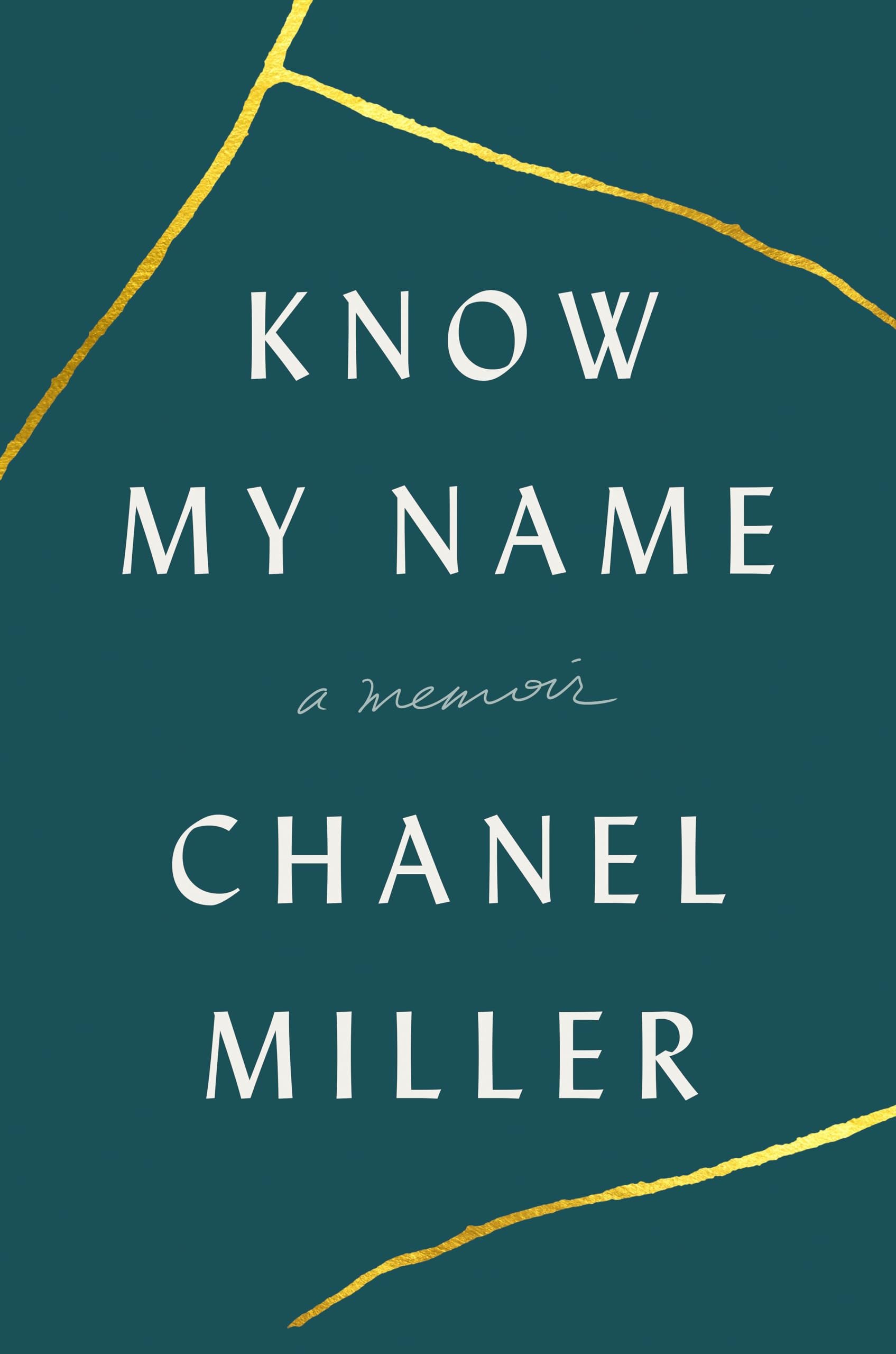
Know My Name by Chanel Miller
Crying in H Mart by Michelle Zauner
Devil in the Details: Scenes from an Obsessive Girlhood by Jennifer Traig
Hunger: A Memoir of (My) Body by Roxane Gay
If tears were prayers, a life with dissociative identity disorder by Emma Sunshaw
I’m Still Here: Black Dignity in a World Made for Whiteness by Austin Channing Brown
Fast Girl: A Life Spent Running from Madness by Suzy Favor Hamilton
Manic by Terri Cheney
Friends, Lovers, and the Big Terrible Thing by Matthew Perry
Born a Crime by Trevor Noah
Most of these books detail experiences of trauma, so I would encourage you to read a synopsis to decide if it’s a book that you’re interested in reading.
If you need help working through what you’re struggling with, feel free to check out my therapy services in Port Moody and Maple Ridge here, or set up a free consultation here